ICOM IC-A25N Handheld NAV/COM Transceiver w/ Bluetooth – Open Box: Reliable NAV/COM Performance
ICOM IC-A25N Handheld NAV/COM Transceiver w/ Bluetooth – Open Box: Reliable NAV/COM Performance
Blog Article
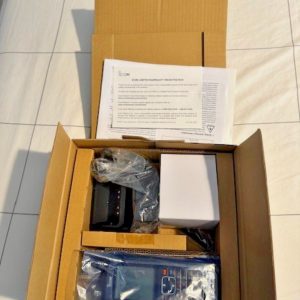
:::writingvariant="document" id="58314" ICOM IC-A25N Handheld NAV/COM Transceiver w/ Bluetooth – Open Box: Portable Aviation Radio The ICOM IC-A25N Handheld NAV/COM Transceiver w/ Bluetooth – Open Box is designed for aviation users seeking a capable portable radio that can support communication and navigation-related operations. An open-box unit can provide excellent commercial value when the radio, battery, antenna, charger, documentation, and included accessories remain complete and in suitable condition. The ICOM IC-A25N Handheld NAV offers a flexible option for private pilots, commercial operators, instructors, aviation students, and support personnel. An ICOM IC-A25N Aviation Radio can support communication between pilots, air traffic services, flight instructors, ground personnel, and other aviation users where authorized. The compact ICOM IC-A25N Handheld Radio may be especially useful for pilots who operate multiple aircraft or frequently travel between airports and training locations. Choosing a Handheld NAV/COM Aviation Transceiver can support organized flight preparation, backup planning, and portable cockpit communication. Whether a buyer is sourcing a Handheld Aviation Radio, Aviation NAV/COM Radio, Pilot Handheld Radio, or Aircraft Communication Radio, actual operating needs should guide the selection. As an Aviation Communication Device, the radio can provide portable support for cockpit, training, emergency, and ground environments.
Key Benefits of the ICOM IC-A25N Transceiver
The radio’s portable construction allows it to support aircraft operations before departure, during flight, after landing, or while personnel are working around the airport. Pilots often select a feature-rich handheld radio because it supports communication needs without requiring permanent installation or aircraft modification. Portable equipment should be treated as part of a complete communication plan rather than a guaranteed replacement for every installed avionics function. Operators should include the radio in normal equipment checks so batteries, accessories, and settings remain ready for use.ICOM IC-A25N Handheld NAV Features
An ICOM IC-A25N Handheld NAV may help pilots monitor frequencies, organize flight-related information, and maintain portable communication capability. Aircraft owners may keep the radio available when maintenance temporarily removes power from installed communication equipment. Pilots should verify information using suitable aviation references and avoid relying on one portable device for every navigation decision. Pilots should avoid burying backup equipment under baggage where it cannot be reached quickly during flight.Choosing an ICOM IC-A25N Aviation Radio
An ICOM IC-A25N Aviation Radio can serve pilots who need portable communication for flight operations, aircraft delivery, training, airport coordination, or emergency preparedness. Maintenance providers may monitor aviation activity while working outside the aircraft or coordinating ground movements. Current photographs should show the radio body, display, controls, connectors, antenna, battery, charger, packaging, and included components. Testing should occur in a lawful and appropriate manner without creating unauthorized transmissions or interfering with aviation communications.ICOM IC-A25N Handheld Radio Portability
The handheld format allows the radio to move with the pilot between personal, rental, training, business, and club aircraft. Pilots should protect the radio with a suitable case or organized storage compartment to reduce the risk of impact, moisture, connector damage, or accidental control activation. Portability also allows the radio to be charged and configured away from the aircraft, helping pilots prepare frequencies and settings before entering the cockpit. A portable radio should not be left in extreme heat, direct sunlight, freezing conditions, or damp get more info environments for extended periods.Handheld NAV/COM Aviation Transceiver Applications
The integrated format can reduce the need to carry separate handheld receivers for several common aviation tasks. Commercial value depends on condition, package completeness, included equipment, seller support, and the cost of any missing accessories. The radio should be inspected before every important flight for battery charge, antenna security, control response, display condition, volume setting, and physical damage. Any abnormal heat, charging issue, intermittent audio, damaged control, loose connector, or battery swelling should be investigated before further operation.Handheld Aviation Radio Applications
A Handheld Aviation Radio is a practical tool for private pilots, instructors, students, mechanics, aircraft owners, flight schools, and airport support personnel. Regular practice and maintenance turn a handheld device into meaningful backup equipment rather than an unverified accessory. Radio performance can be affected by aircraft structure, cockpit location, antenna orientation, terrain, buildings, interference, weather, and distance. Professional radio discipline includes listening carefully, transmitting clearly, using appropriate terminology, and keeping messages relevant.Using an Aviation NAV/COM Radio
The combined platform can be useful during training because students can explore aviation radio functions with one portable device. Pilots should avoid changing complex settings when attention is required for aircraft control, traffic awareness, navigation, or communication duties. Pilots should maintain current charts, navigation planning, weather awareness, and suitable avionics for the flight being conducted. The antenna should be attached properly and protected from interference with controls or cockpit movement.Pilot Handheld Radio for Flight Operations
A Pilot Handheld Radio offers flexibility to aviation professionals whose work involves several aircraft, airports, and operational environments. Good cockpit organization reduces workload and prevents backup equipment from becoming difficult to reach when needed. Emergency equipment is more useful when essential controls can be operated confidently without lengthy manual review. Pilots may consider carrying an appropriate backup power option when supported by the equipment and mission requirements.Choosing an Aircraft Communication Radio
An Aircraft Communication Radio supports communication between pilots, air traffic services, other aircraft, flight instructors, and authorized ground personnel. A strong transceiver cannot compensate for poor microphone technique, excessive background noise, incorrect frequency selection, or unclear messages. Moving the radio or antenna within the cockpit may influence reception, but it must remain secure and clear of controls. Qualified repair or manufacturer-supported service may be appropriate for electronic problems that cannot be corrected through normal setup.Choosing a Portable Aviation Transceiver
A Portable Aviation Transceiver offers communication mobility for pilots and aviation professionals who are not always positioned inside a powered aircraft. Charging equipment should be identified clearly and kept with the correct radio and battery system. Bluetooth capability can improve convenience by supporting compatible wireless audio arrangements and reducing the number of cables around the pilot or operating area. Careful setup allows portable wireless communication features to improve convenience without creating unnecessary cockpit distraction.Aviation Communication Device for Professional Use
Pilots should select communication equipment according to mission requirements, aircraft type, operating area, training needs, and backup planning. The seller should explain the product’s status and disclose any evidence of use, missing materials, registration, or cosmetic handling. Aviation businesses should establish procedures for cleaning shared microphones, headsets, controls, and surfaces where appropriate. A radio configured for one headset or training environment may need adjustment before being issued for another application.Handheld Aircraft Radio Benefits
Ground teams may use appropriate handheld equipment during coordinated activities where aviation communication is required and authorized. Pilots may prepare frequencies and settings before entering the cockpit, reducing setup workload after engine start. A planned storage position supports fast retrieval while protecting the radio and aircraft interior. Charging ports and connectors should remain dry and free from debris before accessories are attached.Aviation Navigation Radio Applications
A combined navigation and communication unit can help pilots maintain familiarity with one device rather than carrying unrelated portable tools. Students should receive appropriate instruction so the device supports learning rather than creating misunderstanding or distraction. Pilots remain responsible for route planning, weather evaluation, airspace awareness, fuel management, and safe aircraft control. Users should remove outdated memories or clearly organize frequencies to reduce confusion during operation.Maintaining an ICOM Pilot Radio
The radio may also suit instructors, aircraft technicians, flight departments, and airport operations personnel who require portable communication equipment. Even a well-regarded radio should be tested for power, audio, charging, display, controls, battery condition, and physical damage. Aviation students may prioritize ease of learning, while experienced pilots may focus on backup capability, portability, and integration. Pilots should record serial information, purchase details, accessory inventory, battery condition, and any warranty documentation.Maintaining an Emergency Aviation Radio
Emergency value depends on the radio being charged, accessible, configured, and familiar to the pilot before a problem occurs. A written quick-reference guide may help, but it should remain simple enough to use without creating distraction. Redundancy is strongest when the user has more than one practical method of hearing and transmitting with the device. Any missing charger, antenna, adapter, cable, or battery concern should be corrected before the radio is relied upon.Maintaining a Backup Aircraft Radio
A Backup Aircraft Radio provides communication redundancy for pilots who want an alternative to the primary panel-mounted transceiver. A backup device should not be neglected simply because it is not used during every flight. A simple and familiar arrangement is generally more useful during an abnormal situation than a complicated setup that has not been practiced. Pilots should use clear, concise communication and follow appropriate procedures for the situation and operating environment.Open-Box ICOM IC-A25N Purchase Checklist
The display should illuminate correctly and remain free from major damage, unreadable sections, or unexplained visual problems. Buyers should ask whether the radio was displayed, returned, tested, paired, charged, transmitted with, or previously registered. Battery behavior should be observed for unusual heat, rapid discharge, charging failure, physical swelling, or poor connection. Shipment photographs can document package contents and physical condition before dispatch.Routine Care for a Handheld Aviation Radio
Long-term reliability depends on battery care, protected storage, correct charging, careful antenna handling, clean connectors, updated familiarity, and prompt attention to operating concerns. Maintenance should be completed before the radio is needed for an important flight or emergency role.- Review the complete package and remove the radio from backup service if physical or electronic condition is uncertain.
- Confirm that paired accessories, headset connections, stored information, display settings, antenna attachment, and power level are suitable for the planned operation.
- Charge and store the battery according to appropriate guidance while keeping all accessories labeled and together.